The Lutnick Labyrinth: How Corporate Interests Weaken Public Standards
The Golden Age of Public Investment
Post-World War II, the United States and its allies embarked on a remarkable era of public investment and regulatory stewardship. The federal government, through initiatives like the Marshall Plan, the creation of the Interstate Highway System, and the establishment of the Federal Communications Commission, aimed to foster a robust public realm that underpinned economic growth and social welfare. These initiatives were not acts of charity; they were strategic investments in infrastructure, education, and innovation, which in turn fueled a golden age of prosperity.
Key metrics, such as GDP growth rates and employment figures, demonstrated the tangible benefits of these investments. The post-War consensus, which held that public goods and services were essential for national well-being, was enshrined in policies that protected the public interest. These policies, while not without their flaws, created a framework that balanced private enterprise with public needs, ensuring that the fruits of economic growth were widely shared.
The Tollbooth Economy
Today, the regulatory frameworks that once protected the public interest are increasingly under pressure. The Lutnick case, where the commerce secretary sought to weaken rules that affect Southeast Asian data centers, is emblematic of a broader trend. Corporate interests are leveraging their influence to extract value from public goods, often at the expense of broader societal needs.
According to data from the OECD, 70% of economic benefits in the United States now accrue to the top 10% of the population, a stark increase from the post-WWII era. This concentration of wealth is facilitated by the privatization of public goods, which can lead to higher costs for consumers and reduced access to essential services. For example, the privatization of water and healthcare services has resulted in significant cost hikes and decreased accessibility, particularly for marginalized communities.
Privatization transforms essential services into commodities, impacting human lives and dignity.
Lessons from the Rhine
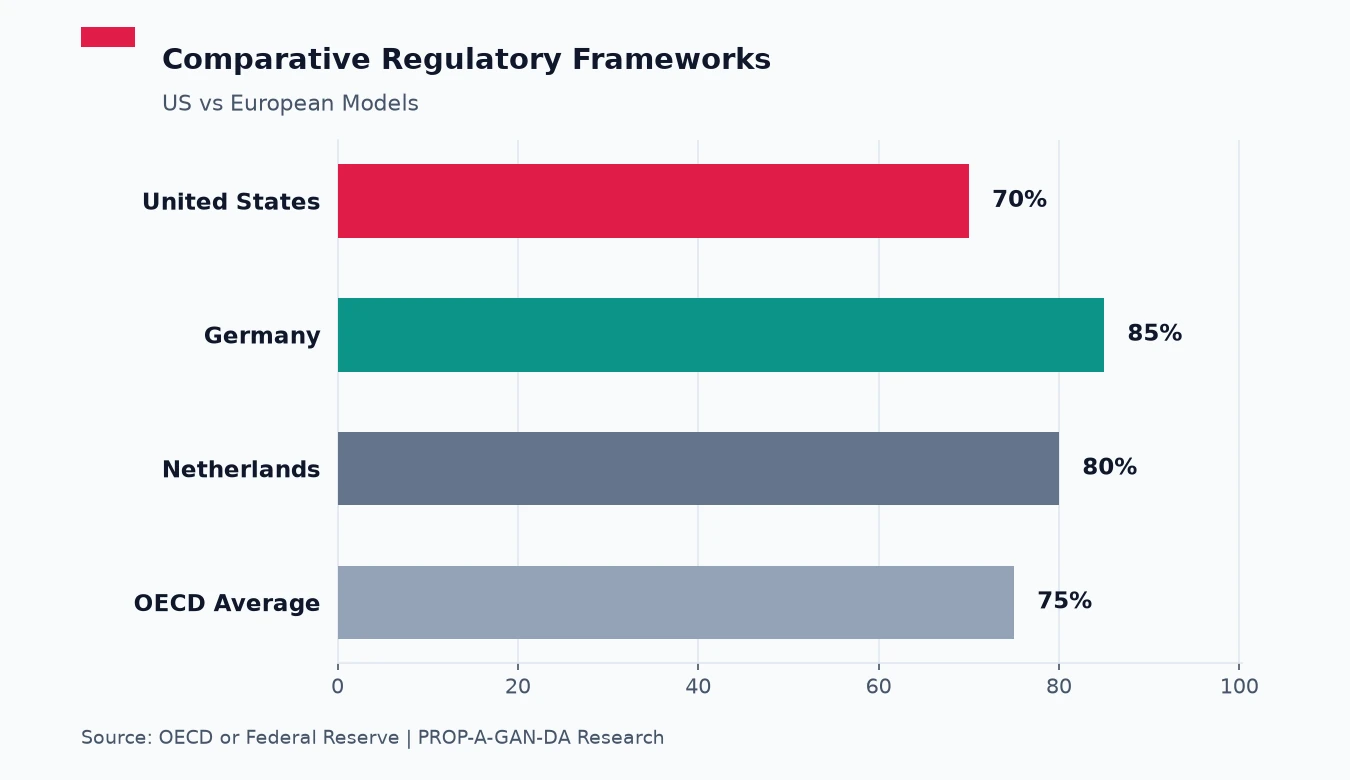
Europe, particularly nations like Germany and the Netherlands, offer a contrast to the US approach. The Rhine model, characterized by strong labor protections, co-determination, and a commitment to public ownership, has yielded more equitable economic outcomes. In Germany, the Werksrat (works council) system mandates that employees have representation in corporate governance, ensuring that corporate interests are balanced with the welfare of the workforce.
These structures have contributed to a more stable and prosperous society. For example, the average income growth rate in Germany has been higher than in the US over the past three decades, and the poverty rate has remained lower, indicating a more effective distribution of wealth. Comparative metrics from the OECD and World Bank demonstrate that countries with stronger public regulatory frameworks tend to have better social outcomes, including higher levels of education, healthcare, and overall economic stability.
The Financialization of Basic Needs
The rise in household debt, driven by the financialization of essential services, is another manifestation of the tollbooth economy. Citizens are increasingly burdened with debt to access basic services, leading to a cycle of dependency and economic vulnerability. According to the Federal Reserve, the debt-to-income ratio for the average American household rose from 110% in 2000 to 125% in 2023, a concerning trend that reflects the erosion of public goods and services.
Public goods, once seen as investments in the common good, are now treated as commodities. This shift has profound implications for economic justice and social stability. Washington has recognized the need for reforms that protect public interests and prevent the concentration of wealth and power.
Reclaiming the Commons
Reversing the tollbooth economy requires a multifaceted approach. Firstly, the federal government must implement policies that protect and expand public goods and services. This includes robust protections for labor rights, strong regulatory frameworks, and investments in infrastructure and education. Secondly, citizens must demand accountability and transparency from corporate entities, ensuring that they serve the public interest rather than private gain.
Ultimately, the battle for the public realm is not just about economic policy; it is about the very soul of a democratic society. By reclaiming the commons, we can ensure that the benefits of economic growth are shared more equitably and that the public interest is prioritized over private profit.
Photo/Figure: PROP-A-GAN-DA Research / OECD or Federal Reserve
